Jamaican Food and the Importance of Fresh Ingredients
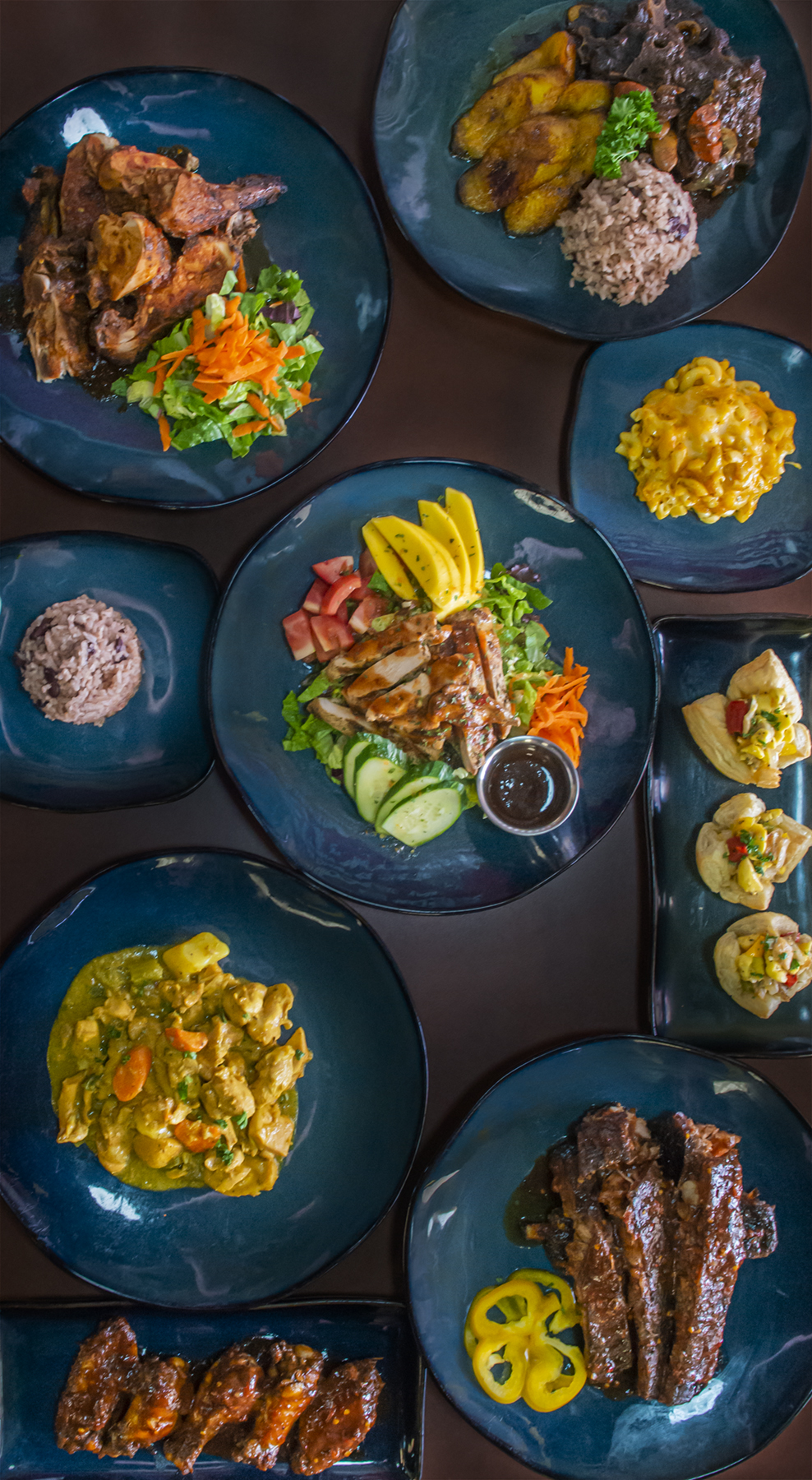
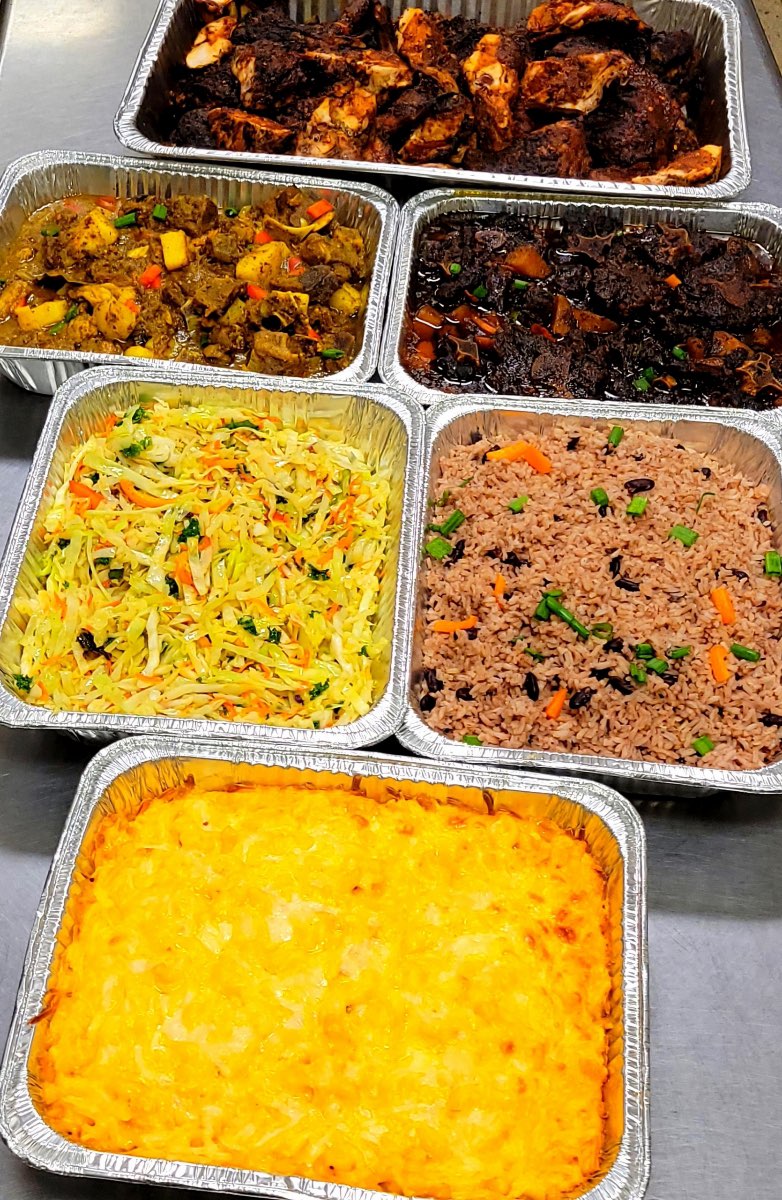
Jamaican food has a reputation for bold flavor, but that description only captures part of the story. What makes the cuisine memorable is not just heat, smoke, sweetness, or spice. It is the way freshness shapes every layer of the meal, from the sharp perfume of scallion and thyme to the sweetness of just-cut coconut, from a ripe mango eaten over the sink to a pot of soup built on recently harvested yam and pumpkin. If you spend time around serious Jamaican cooks, whether in home kitchens, roadside stalls, or restaurant prep rooms, you notice something quickly: ingredients are not a backdrop. They are the foundation.
That matters because Jamaican cooking can look deceptively robust from the outside. The seasonings are assertive. Marinades are complex. Long simmering is common. There is smoke from pimento wood, caramelization from browning, and fire from Scotch bonnet. Someone unfamiliar with the cuisine might assume those strong flavors cover for average produce or less-than-ideal meat. The opposite is true. In well-made Jamaican food, seasoning does not hide ingredients. It sharpens them. Freshness is what allows the dish to taste vivid rather than heavy.
Flavor starts before the pot is lit
A proper Jamaican kitchen often smells alive before any heat enters the picture. Green seasoning is being crushed or blended. Onions are sliced. Thyme is stripped from the stem. Garlic is pounded. Scotch bonnet is handled carefully, because one inattentive touch can stay with you for an hour. This stage is more than prep. It is where the character of the meal begins.
Take jerk as the obvious example. People often reduce jerk to a spice blend, but anyone who has prepared it properly knows it is more than dry seasoning. Fresh scallion brings grassy sweetness and bite. Fresh thyme contributes oils that taste brighter and cleaner than dried thyme ever can. Scotch bonnet delivers fruitiness along with heat. Garlic gives depth. Ginger adds lift. Pimento, whether in berry or ground form, supplies the warm signature note people often describe as allspice. If half those ingredients are tired, dried out, or old, jerk loses its balance. The result may still be edible, but it will not have that layered profile that makes great jerk chicken or pork feel almost aromatic before you even take a bite.
The same principle holds for curry goat, brown stew fish, escovitch, mannish water, pepper pot soup, and callaloo. Fresh ingredients bring tension and contrast. The dish feels distinct rather than muddy. The broth tastes built, not assembled.
Why island cooking developed this instinct
Freshness in Jamaican food is not a fashionable preference. It comes from history, geography, and necessity. Jamaica’s culinary traditions were shaped by African, Indigenous Taíno, European, Indian, and Chinese influences, but they were also shaped by what could be grown, caught, raised, and used quickly. In a tropical climate, ingredients move fast. Fruit ripens quickly. Herbs can thrive. Fish caught in the morning should not wait unnecessarily. A market culture developed around this reality.
Older cooks often speak about choosing food by touch, smell, and appearance rather than by label. A breadfruit is judged by firmness and sap. Callaloo is assessed by leaf condition and color. Fish is inspected for clear eyes, red gills, and the clean scent of the sea. That kind of ingredient literacy still defines good Jamaican cooking. It is practical knowledge, not romantic nostalgia.
Even dishes associated with slow cooking rely on freshness at the start. Soup Saturday traditions, for instance, depend on root vegetables and greens that can hold up in the pot without becoming dull. A pot of red peas soup with fresh thyme, scallion, yam, pumpkin, and spinners tastes full and rounded in a way canned or old ingredients rarely match. You can simmer for hours, but you cannot cook life back into tired produce.
The role of the market
Ask a strong cook where the meal really begins and many will point you to the market. Jamaican food is deeply tied to the rhythm of buying ingredients close to the day of cooking. That does not always mean expensive produce or specialty sourcing. It means paying attention.
In open-air markets across the Caribbean, freshness is not abstract. You feel it in the snap of okra, the scent rising off bunches of thyme, the weight of green bananas, the shine on cho cho skin, the firmness of Scotch bonnet peppers. There is also a social side to it. Vendors know which avocadoes should be eaten tonight and which can sit for two days. They know if the callaloo came in that morning. They know whether the coconut is best for drinking, grating, or milk extraction. Those details affect the final plate more than many recipes acknowledge.
This is one reason Jamaican food made outside Jamaica can vary so dramatically. It is not just a matter of technical skill. Access matters. A cook working with fresh callaloo, fragrant thyme, ripe plantain, and good local fish starts with advantages that no amount of bottled sauce can duplicate. Good diaspora cooks know how to adapt, but they also know the compromise when they taste it.
Fresh herbs do different work than dried ones
One of the clearest examples is thyme. In some cuisines dried thyme is an acceptable substitute in many dishes. In Jamaican food, it often changes the dish more than people expect. Fresh thyme has a green edge and aromatic lift that matters in soups, rice and peas, brown stew, and steamed fish. Dried thyme can supply familiarity, but it rarely gives the same brightness.
Scallion works similarly. Powdered onion or standard onion alone cannot replace what scallion does in Jamaican cooking. It contributes a gentle allium note without turning harsh too quickly. When used fresh in marinades or rubbed directly into meat, it becomes part of the dish’s backbone.
Fresh ginger is another ingredient that suffers when reduced to shelf-stable form. In beverages like sorrel or ginger beer, and in savory preparations such as certain marinades and sauces, the difference between fresh and powdered ginger is immediate. Fresh ginger feels alive on the palate. Powdered ginger often tastes flatter and more one-dimensional.
These distinctions sound small until you stack them. One missing note might be tolerable. Four or five shortcuts at once change the identity of the dish.
Scotch bonnet is not just heat
Scotch bonnet deserves special attention because https://troylbkk708.rivetgarden.com/posts/how-jamaican-food-reflects-jamaica-s-heritage it is often misunderstood by cooks who encounter Jamaican food from a distance. It is not simply a hot pepper thrown in for intensity. A fresh Scotch bonnet carries fruit, floral notes, and sweetness beneath the burn. Used properly, it seasons a pot in a way that feels rounded and fragrant rather than aggressive.
That is why freshness matters so much here. A shriveled or old Scotch bonnet still brings heat, but it loses some of that distinctive aroma. In a fish tea or pepper shrimp, the pepper should taste like more than fire. It should open the dish up.
Experienced cooks also know how to control it. Sometimes the pepper is left whole in the pot to perfume without overwhelming. Sometimes it is chopped finely into a marinade. Sometimes just a piece is enough. This is judgment, not rigid measurement. Fresh ingredients reward judgment because they are expressive. Stale ingredients tend to flatten the decision-making process.
Seafood tells the truth fast
Few parts of Jamaican food reveal the value of freshness more quickly than seafood. Escovitch fish is a perfect case. At its best, it depends on crisp frying, sharp pickled vegetables, and fish that tastes clean and sweet under the seasoning. If the fish is less than fresh, the vinegar and peppers may distract for a moment, but the flaw remains obvious.
The same goes for steamed fish, rundown, and fish tea. These dishes are not built to disguise old seafood. They are built to honor fresh catch with coconut milk, herbs, okra, garlic, and pepper. A well-made fish tea can taste almost transparent in its honesty. There is nowhere for bad fish to hide.
This is why serious cooks are selective about both species and timing. Snapper, parrotfish, king fish, doctor fish, and shellfish all behave differently. Texture matters. Fat content matters. How soon the seafood is cooked matters. In restaurants, one of the easiest ways to separate average Jamaican food from memorable Jamaican food is to pay attention to seafood dishes. They expose standards immediately.
Fresh produce gives starches and stews their personality
People outside the culture sometimes focus on the proteins first, jerk chicken, oxtail, curry goat, but the produce surrounding those dishes often carries just as much culinary intelligence. Plantain, breadfruit, yam, cassava, pumpkin, coco, green banana, and callaloo are not filler. They define texture, sweetness, body, and rhythm across the plate.
A ripe fried plantain, cooked at the right point, brings soft sweetness and caramel edges that balance salt and spice. If it is underripe, the sweetness never fully develops. If it is overripe, it can collapse into oil and become cloying. Breadfruit can be nutty and satisfying when fresh, but dry and disappointing when old. Callaloo should taste earthy and green, not slimy or tired. Pumpkin in soup should contribute sweetness and body rather than watery softness.
These are not trivial distinctions. They shape whether a meal feels alive or heavy. Some of the best Jamaican cooks are relentless about produce because they understand the entire plate, not just the headline item.
Coconut is a perfect example of the freshness divide
Coconut runs through Jamaican cooking in both savory and sweet directions. Coconut milk is central to rice and peas, rundown, stewed vegetables, and desserts. Freshly extracted coconut milk behaves differently from canned. It has a cleaner sweetness, a lighter aroma, and a fresher finish. Canned versions are useful, especially outside the Caribbean, but many are thicker, more standardized, and slightly muted.
The gap becomes even more obvious in coconut rundown or fresh coconut drops. A fresh coconut brings water, flesh, fat, and fragrance in a way processed products struggle to match. You can still produce good food with canned coconut milk, and practical cooks often do, but it helps to be honest about the trade-off. Convenience saves time. Freshness usually rewards flavor.
Meat benefits from fresh seasoning, not just long marination
There is a common belief that meat-heavy dishes matter less in the freshness conversation because cooking times are long and seasoning is assertive. In practice, fresh ingredients matter just as much here.
For jerk chicken, curry goat, or brown stew chicken, fresh aromatics penetrate differently. A marinade made from fresh scallion, onion, thyme, garlic, ginger, and pepper clings and perfumes as it cooks. Bottled marinades can be decent in a pinch, but they tend to taste settled, as if the edges have already rounded off before the food reaches the fire.
Freshness also affects the meat itself. Poultry with good texture, goat that has been handled properly, and beef oxtail that is not oxidized or freezer-worn all respond better to seasoning. The final dish tastes cleaner. Browning develops more naturally. The gravy has more integrity.
In professional kitchens, this is where discipline shows. Good cooks separate the romance of tradition from the practical demands of prep. They know which dishes need overnight marination and which do not. They know when acid helps and when it dulls texture. They know old dried herbs cannot carry a stew no matter how long it simmers.
What freshness looks like in practice
Freshness is not only about buying ingredients on the same day. It is also about handling them correctly after purchase. Too much home cooking advice stops at shopping, when storage and timing are often where quality is lost.
Here are a few signs that matter in a Jamaican kitchen:
- Thyme should smell strong when rubbed lightly, not dusty or faint.
- Scallions should feel firm and look hydrated, with minimal slime at the base.
- Scotch bonnet peppers should be taut and glossy, not wrinkled and collapsing.
- Callaloo should look vibrant and upright, not limp or yellowing.
- Fish should smell clean and briny, never sour or overly fishy.
Those details seem basic, yet they explain why two cooks following similar recipes can produce dramatically different results.
The diaspora kitchen and the art of adaptation
Not every cook has access to Jamaican markets, tropical produce, or fresh pimento wood. That reality deserves respect, not purism. Some excellent Jamaican food is made in London, Toronto, New York, Miami, and countless smaller communities where cooks adapt based on climate, season, and supply chains.
Adaptation has always been part of the cuisine. Frozen callaloo may be the realistic option in one city. Good canned coconut milk may stand in for fresh. Habaneros may substitute when Scotch bonnet is unavailable, though the flavor is not identical. Local white fish may replace snapper. None of this invalidates the food.
What separates thoughtful adaptation from careless substitution is understanding the role each ingredient plays. If you cannot get fresh breadfruit, perhaps you do not force the dish that week. If thyme is weak and woody, you compensate elsewhere with better herbs. If your plantains are not ripe enough, you wait a day. Good judgment keeps the cuisine intact even when ingredients shift.
This is how many diaspora cooks protect the spirit of Jamaican food. They are not copying blindly. They are translating faithfully.
Freshness affects nutrition, but flavor is still the main point
It is true that fresh produce often preserves better texture and, depending on storage and cooking method, may retain more nutritional value. But reducing this conversation to health misses what cooks care about most. Fresh ingredients make Jamaican food taste like itself.
A bowl of callaloo should taste green and mineral. A curry should smell bright before it tastes rich. A plate of rice and peas should carry the sweetness of coconut and the herbal note of thyme, not just starch and salt. A piece of jerk chicken should have smoke, heat, spice, and fresh aromatic lift in the same bite. Those outcomes are sensory before they are nutritional.
That is one reason people who grew up with the food can recognize corners being cut so quickly. They may not name every missing element, but they know when the dish feels flat. Often the answer is not more seasoning. It is better ingredients.
For cooks trying to improve their Jamaican food at home
The biggest leap in quality usually does not come from buying more sauces or collecting more recipes. It comes from raising your standards on a short list of basics. Fresh thyme, scallion, garlic, ginger, Scotch bonnet, onion, coconut milk of decent quality, and produce that is actually ready to cook will change your results more than most technique hacks.
It also helps to cook with restraint. Jamaican food is flavorful, but not every dish needs every ingredient. Freshness gives you permission to simplify. A good fish can be steamed with herbs, vegetables, and coconut milk without being buried. Fresh callaloo needs support, not punishment. Even jerk works best when the seasoning is balanced rather than chaotic.
There is also value in tasting ingredients on their own. Smell the thyme before chopping it. Taste a tiny piece of Scotch bonnet carefully. Drink the coconut water if you crack a fresh coconut. Notice whether your pumpkin is dense and sweet or watery and bland. This is how experienced cooks build instincts. Recipes matter, but sensory memory matters more.
The deeper reason this still matters
Jamaican food carries memory, place, and identity. Fresh ingredients are part of that meaning. They connect the meal to the land, to season, to local knowledge, and to the hands that selected and prepared the food. That connection is easy to overlook when the cuisine is packaged for export or reduced to a few famous dishes.
Yet the strongest versions of the food still rely on the same principles that shaped them generations ago. Start with ingredients that have life in them. Handle them with respect. Season with intent. Let smoke, time, and spice enhance what is already there.
That is the difference between food that is merely spicy or filling and food that lingers in memory. Great Jamaican food does not overwhelm because it is loud. It stays with you because it is vivid, balanced, and deeply grounded in freshness.
Reggae Pot Jamaican Grill
7562 S University Blvd C, Centennial, CO 80122
(303) 997-5623
FAQ About jamaican food
What is the best Jamaican food to try in Centennial?
The best choice depends on your preferences. Reggae Pot Jamaican Grill offers jerk chicken, curry goat, oxtail, and escovitch snapper, along with sides such as rice and peas and fried plantains. Ask the restaurant about current availability and spice levels before ordering.
Is Jamaican food very spicy in Centennial?
Heat varies by dish and preparation. Jerk dishes can be hot, while some stews and sides are milder. Tell the restaurant your preferred heat level and ask which options suit you.
What is typically on a Jamaican menu?
Common choices include jerk chicken, curries, oxtail, fish, patties, rice and peas, and plantains. Reggae Pot also lists ackee and saltfish and vegetable dishes. Menus and availability can change, so confirm your choices when ordering.